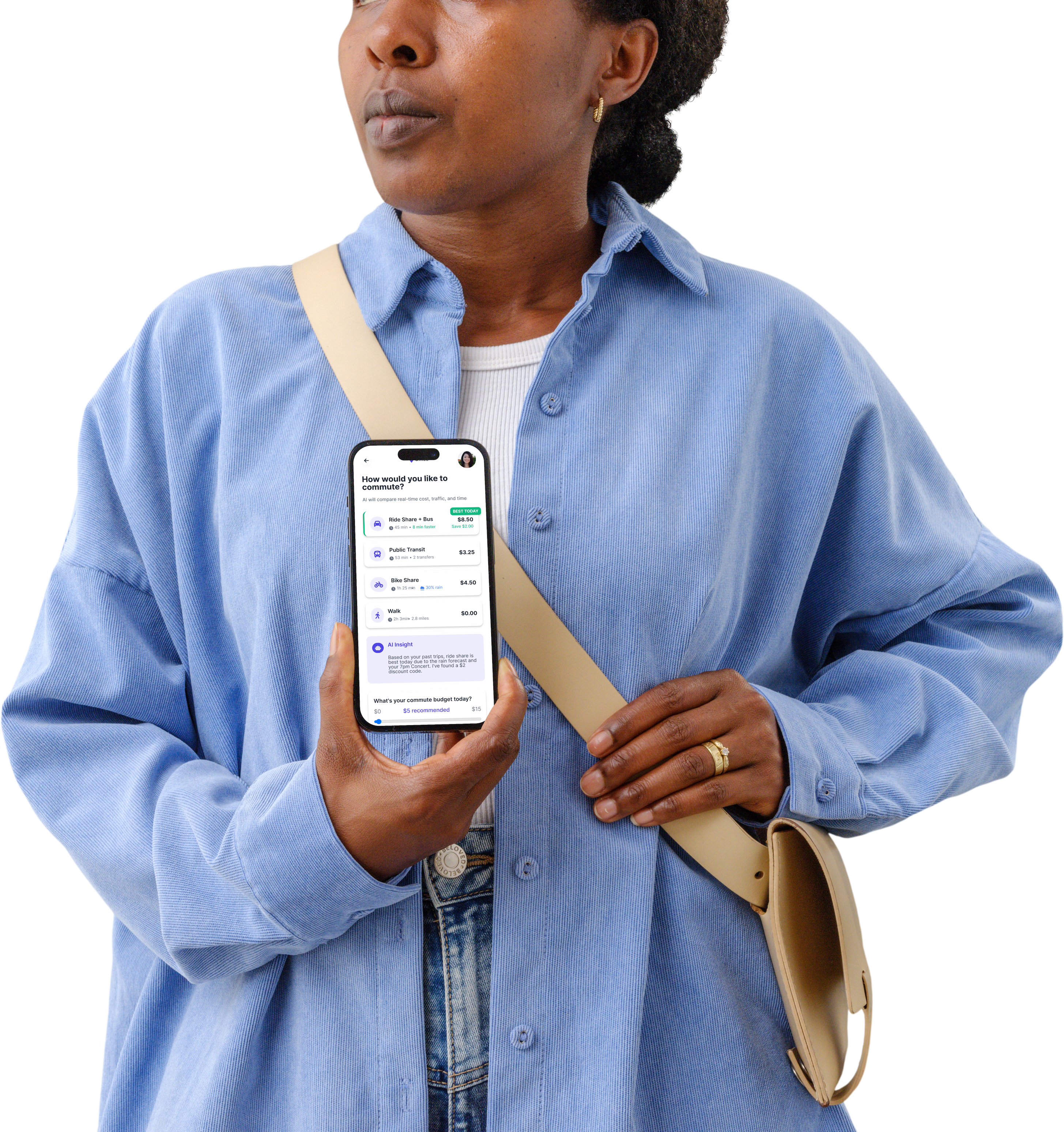

Fragmented Trip Planning
Users often need to switch between multiple apps to compare buses, trains, ride-share, walking routes, travel time, and cost. This makes trip planning slower, more stressful, and harder to manage, especially when users are in a hurry or traveling through an unfamiliar area.
PolyTrip solves this by bringing different transportation options into one simple journey planner. Instead of forcing users to compare routes across separate apps, PolyTrip helps them quickly understand the best option based on time, cost, and convenience.
How Might We
How might we help users compare transportation options in one place, so they can choose the best route without switching between apps?
Define
I defined the main issue as inefficient route planning caused by switching between multiple transportation apps.
Discover
I researched multimodal transportation tools and interviewed users to understand how they compare route choices.
Deploy
I designed a prototype that helps users compare routes, check traffic, and choose the best travel option faster.
How might we simplify route decisions?
Combine transportation options into one place so users do not need to jump between apps.
Help users compare time, cost, and travel method clearly before choosing a route.
Reduce confusion by highlighting the most practical route based on the user’s priorities.
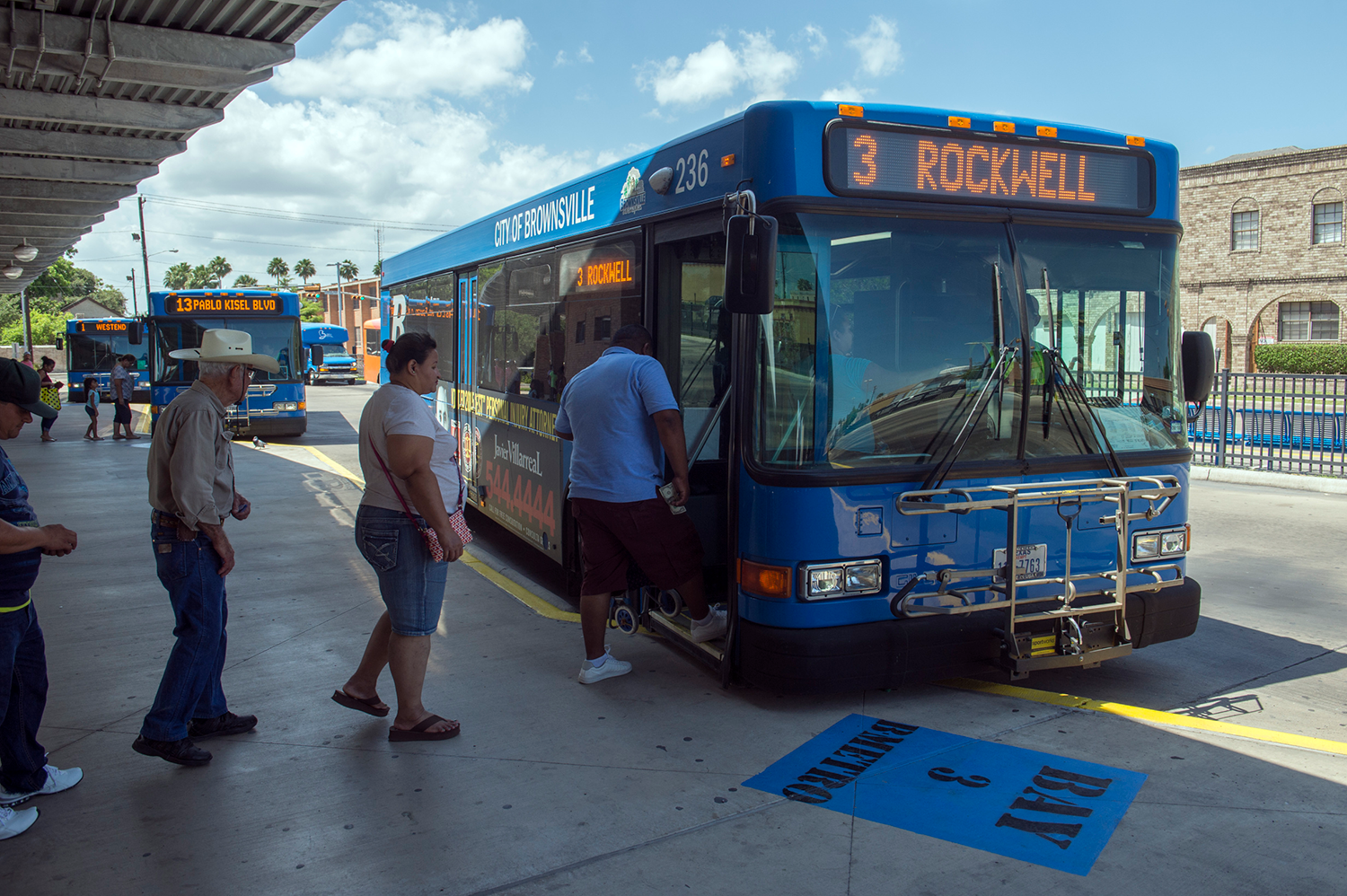
Audience Interview

Desmond Kwak
Key Findings
Users said that switching between transportation apps makes trip planning inefficient. They often compare buses, trains, ride-share, biking, and walking routes before deciding what to do.
The research also showed that travel time and cost are the two most important decision factors. Too many route options can create confusion, especially when users are navigating unfamiliar areas.
What my audience research reveals?
Users feel frustrated when they need to compare routes across several different apps.
Users constantly balance travel time and cost before choosing a route.
Too many route options or unclear transfers can make unfamiliar trips feel stressful.
User Persona

Mina Park
College Student / Part-time Worker
“I just want a quick way to see the best route to the concert without jumping between apps and worrying about missing the start.”
Background Story
Mina is a college student in San Francisco who needs a fast and affordable way to travel across the city after work. However, comparing routes across multiple transportation apps often makes trip planning stressful and confusing, especially when she is in a hurry.
Psychographics
- Values saving time and money, and environment
- Frequently travels across the city for school, work, and social events
- Prefers simple and clear navigation when planning trips
Pain Points
- Switching between different apps to compare routes is frustrating.
- Too many route options can feel overwhelming.
- Unexpected delays or unclear transit info cause stress.
Goals and Challenges
- Quickly find the best route to Chase Center before the concert starts
- Compare travel time and cost to stay within her student budget
- Avoid confusing transfers between buses, trains, and walking routes
- Plan the trip in one place without switching between multiple apps
- Trying eco ride
Skills
city navigation
budgeting
multitasking
Moodboard & Sketch
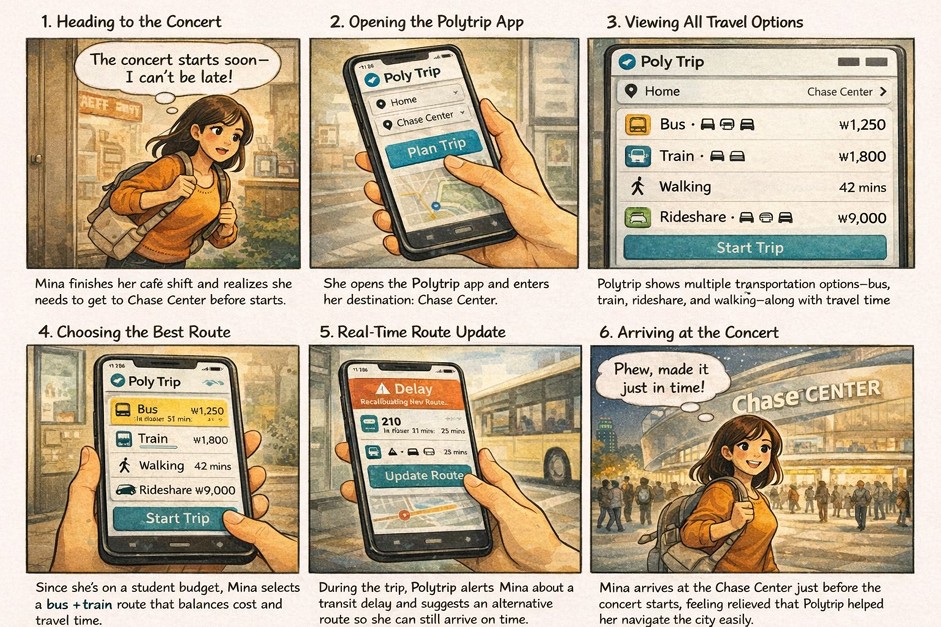
Task Flows
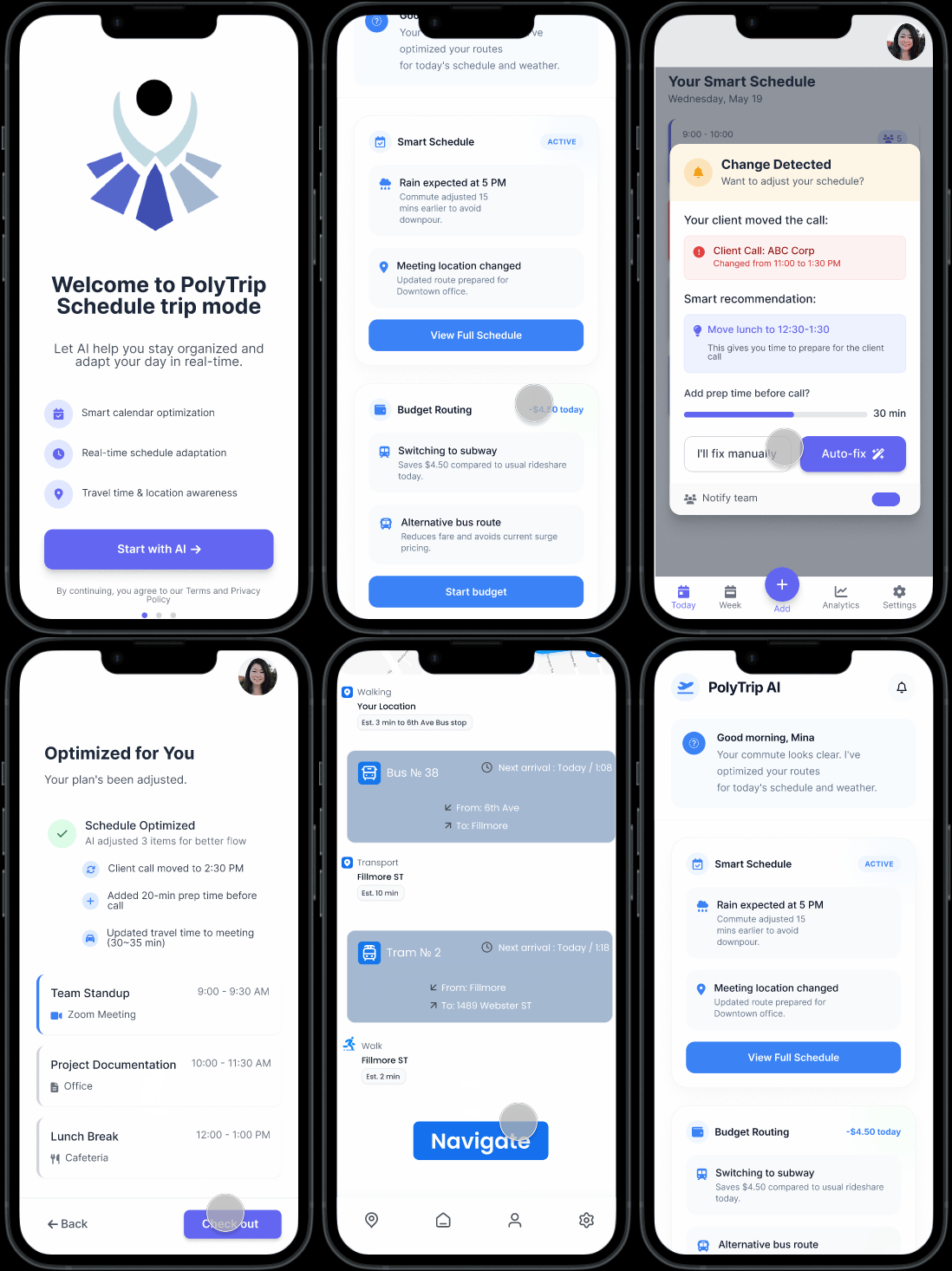
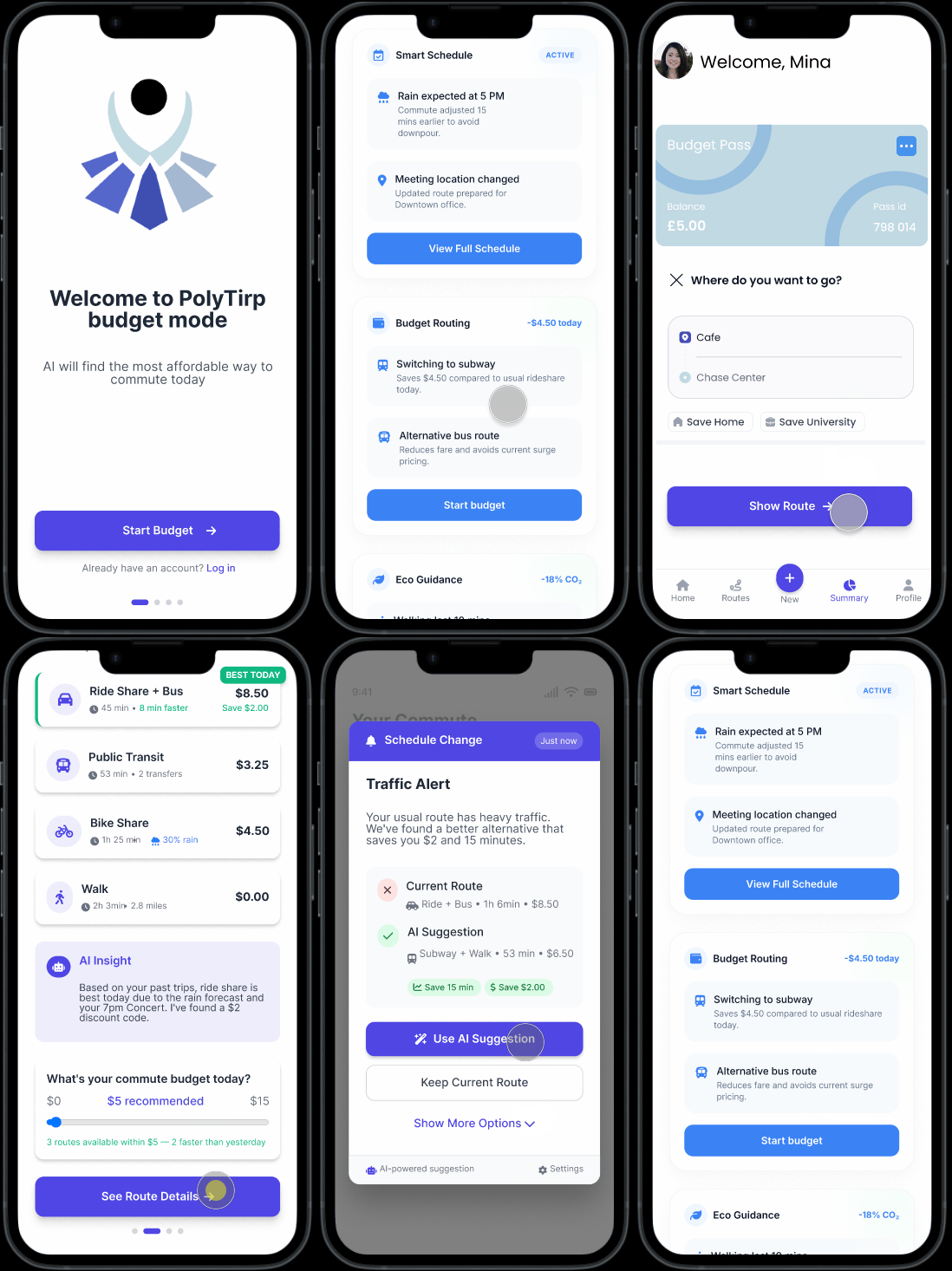
1. AI Schedule Recommendation
Users adjust and optimize today’s travel schedule using the AI travel recommendation flow. PolyTrip helps users quickly organize transportation and timing based on their plans and preferences.
2. Compare Routes
The app shows route options across different transportation modes, including travel time, price, and convenience.
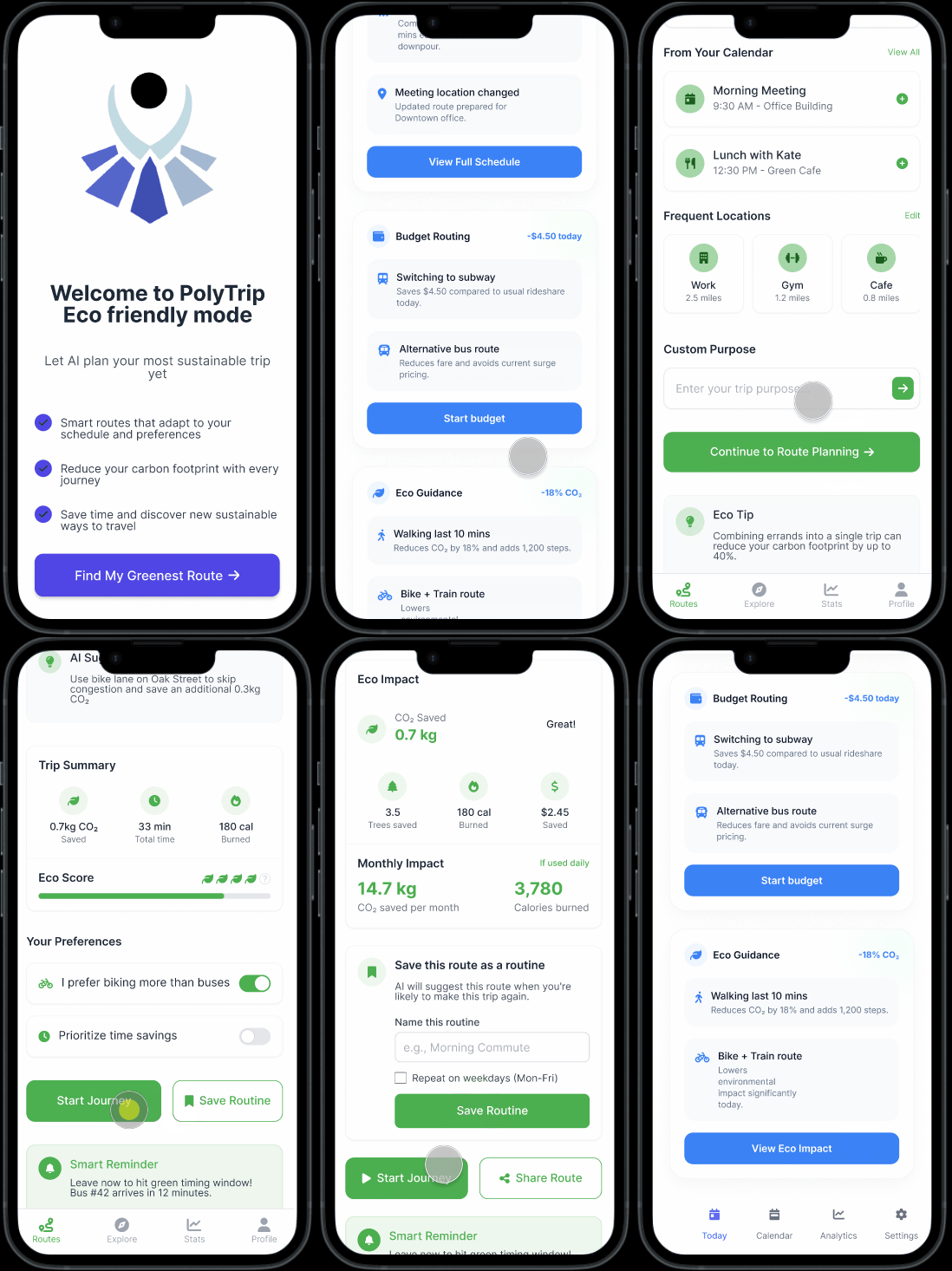
3. Eco-Friendly Route Navigation
Users choose and start a more sustainable travel route using the eco-routing feature. PolyTrip highlights environmentally friendly transportation options to encourage greener travel choices.
Design Process
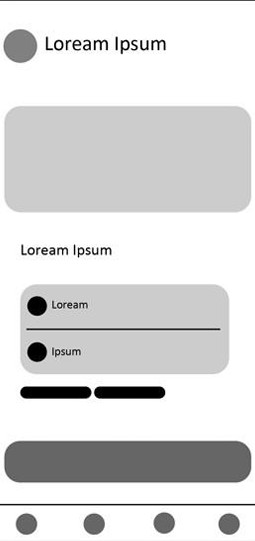
Phase 1 - low-fidelity
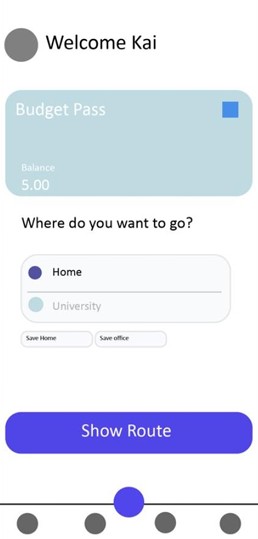
Phase 2 - medium-fidelity
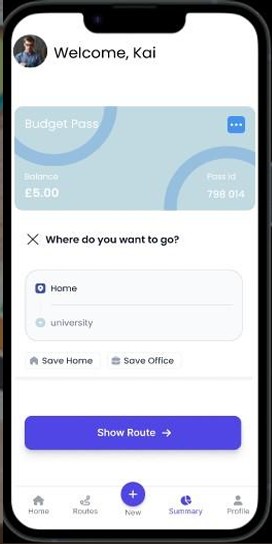
Phase 3 - high-fidelity
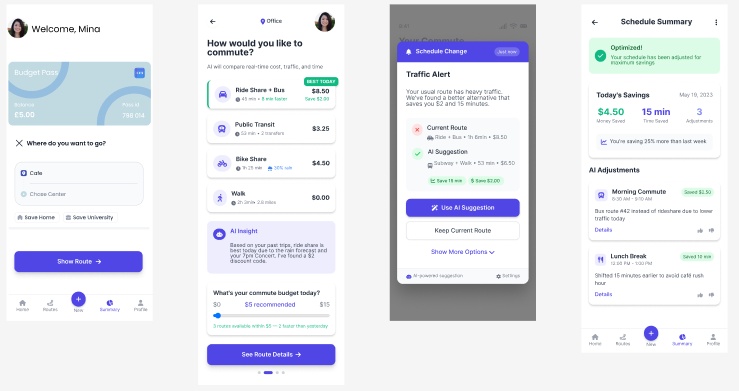
I solved the problem by designing a route planning experience that helps users compare transportation choices, understand cost and time, and select the best route with less confusion.
View Prototype TestingWhat I learned
Through this project, I learned that travel planning is not only about showing more route options. Users need clear comparison, simple decision-making, and confidence that the route they choose is practical for their situation.
PolyTrip helped me practice designing for complex information, simplifying route choices, and building a clearer flow from destination input to final route selection.
What’s Next?
Next, I would refine the live traffic and delay features, test the interface with more commuters, and improve route personalization based on user budget, travel habits, and preferred transportation methods.