PaulKimDesign
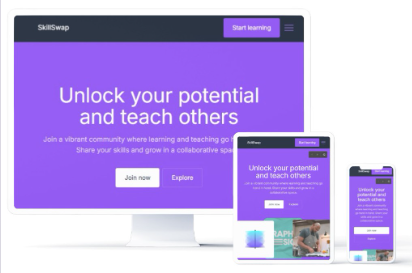
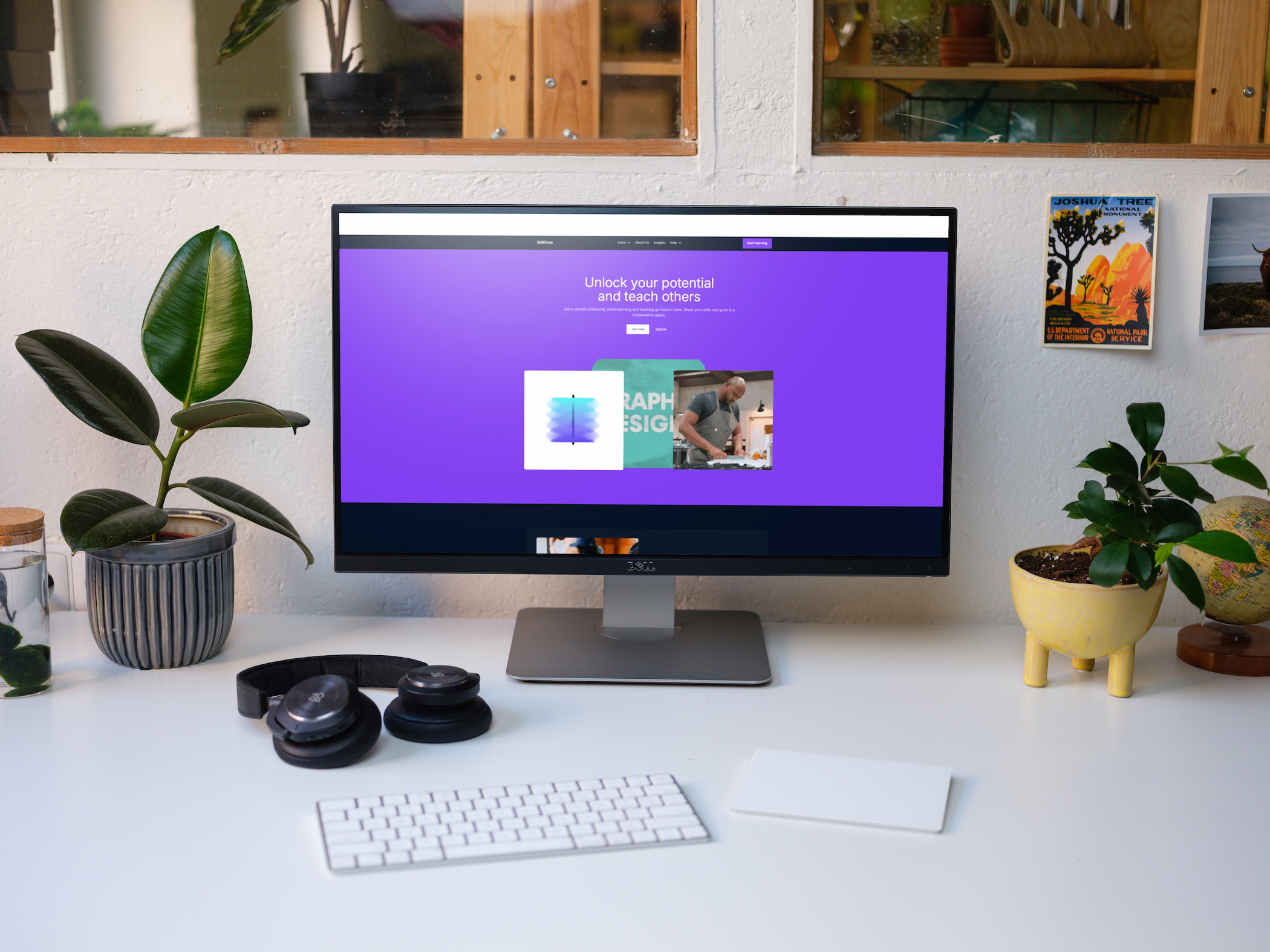
SkillSwap desktop mockup

SkillSwap

Trade skills. Grow together.

Skill sharing problem

Learning New Skills Isn’t Always Accessible

Many people want to learn practical everyday skills, but formal classes can feel expensive, rigid, or intimidating. At the same time, people often have useful skills to share but do not see themselves as qualified teachers.

SkillSwap addresses this by creating a peer-to-peer platform where users can exchange skills in a simple, flexible, and low-pressure way. The goal is to make learning feel more accessible, human, and community-driven.

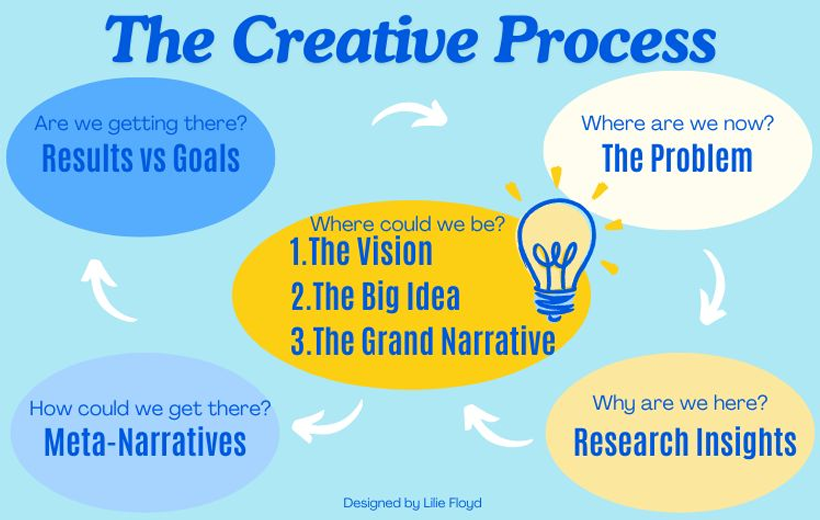
How Might We

How might we make peer-to-peer skill exchange feel simple, trustworthy, and accessible for people who want to learn or teach?

Define

I defined the core opportunity as creating a platform where users can learn and teach through mutual exchange.

Discover

I researched peer-to-peer learning, trust systems, and interviewed users about barriers to sharing skills.

Design

I designed a skill-matching experience that supports onboarding, mentor discovery, trust, and live sessions.

How might we make skill exchange simple and trustworthy?

1

Lower the barrier to participation by making both learning and teaching feel casual, flexible, and approachable.

2

Help users discover mentors and learners based on shared interests, skills, availability, and goals.

3

Build trust through profiles, transparent interactions, ratings, and clear communication before users connect.

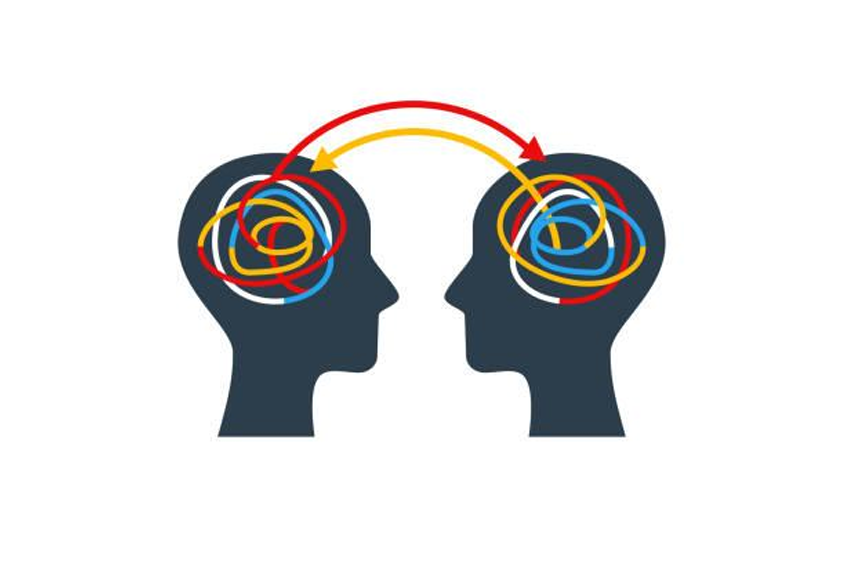
Skill exchange concept

Audience Interview

Interview participant

Eden Liu

Key Findings

Research showed that learning is often limited by cost, structure, and time. Users want flexible ways to explore new skills without committing to expensive classes or rigid schedules.

Participants were willing to share skills, but many did not feel confident calling themselves teachers. Trust was also a major barrier, making profile transparency, reviews, and safety signals essential for adoption.

What my audience research reveals?

Formal learning can feel expensive, inflexible, and too high-commitment for casual skill exploration.

People have skills to share, but they often feel hesitant because “teaching” sounds too formal.

Trust is critical when learning from strangers, especially in a peer-to-peer platform.

Emily Garcia

Background
  • Emily recently moved to a new city and wants a more flexible way to learn new skills and connect with others. Although interested in graphic design, she finds online learning isolating and traditional classes too expensive and restrictive. She also wants to share her own skills but lacks confidence in teaching others.

Emily Garcia persona portrait
Psychographics
  • Prefers interactive and community-driven learning experiences
  • Feels more comfortable in casual and approachable environments
  • Enjoys building social connections through shared interests
Biodata

Age: 27

Gender: Female

Location: mid-sized city

Occupation: Marketing Coordinator

Goals & Challenges
  • Learn a variety of skills, such as design, cooking, and fitness, through interactive online sessions
  • Share her own creative skills without feeling pressured or judged
  • Connect with people who share similar interests across different skill areas
Pain Points
  • Online tutorials across different skills feel one-directional and lack interaction
  • Existing platforms are often too specialized or expert-driven
  • Difficulty finding trustworthy people to learn from across different skill categories

“I want a simple and comfortable way to learn and share different skills online—without feeling like I need to be an expert.”
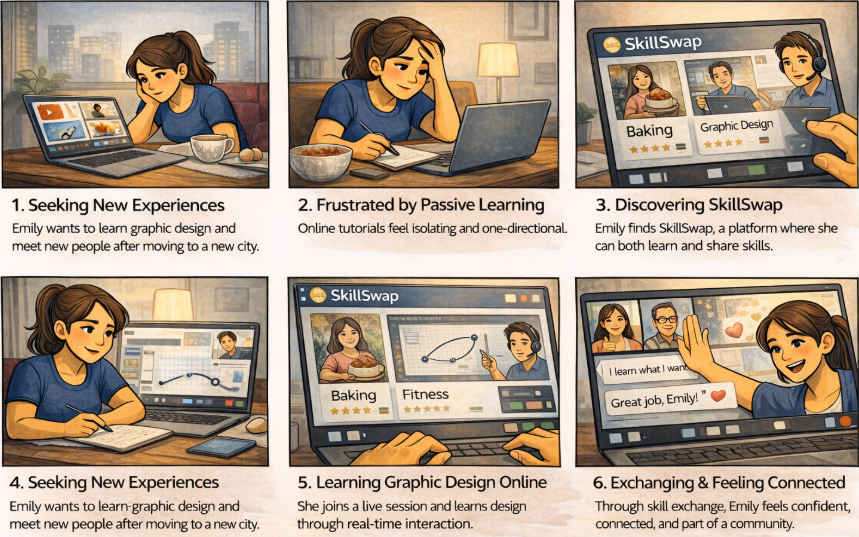
Moodboard & Sketch

SkillSwap moodboard and sketch

Task Flows

Task Flow GIF

Discover, Connect, Join & Share

Users explore skill categories, discover mentors, review profiles, schedule a session, participate in real-time learning, and later share their own skills as contributors.

Design Process

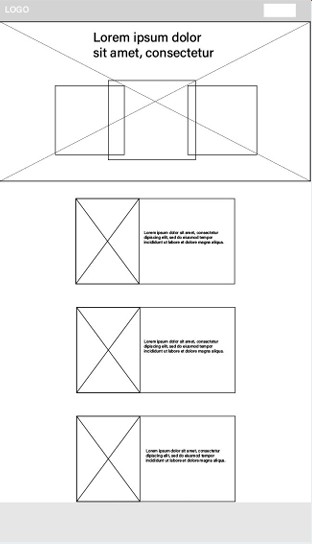
Low fidelity prototype

Phase 1 - low-fidelity

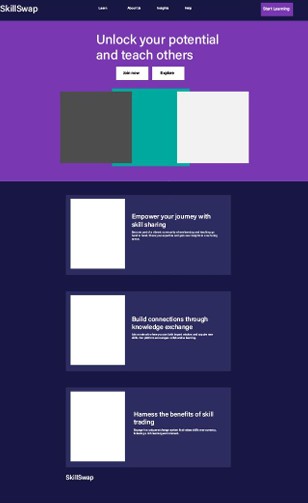
Medium fidelity prototype

Phase 2 - medium-fidelity

High fidelity prototype

Phase 3 - high-fidelity

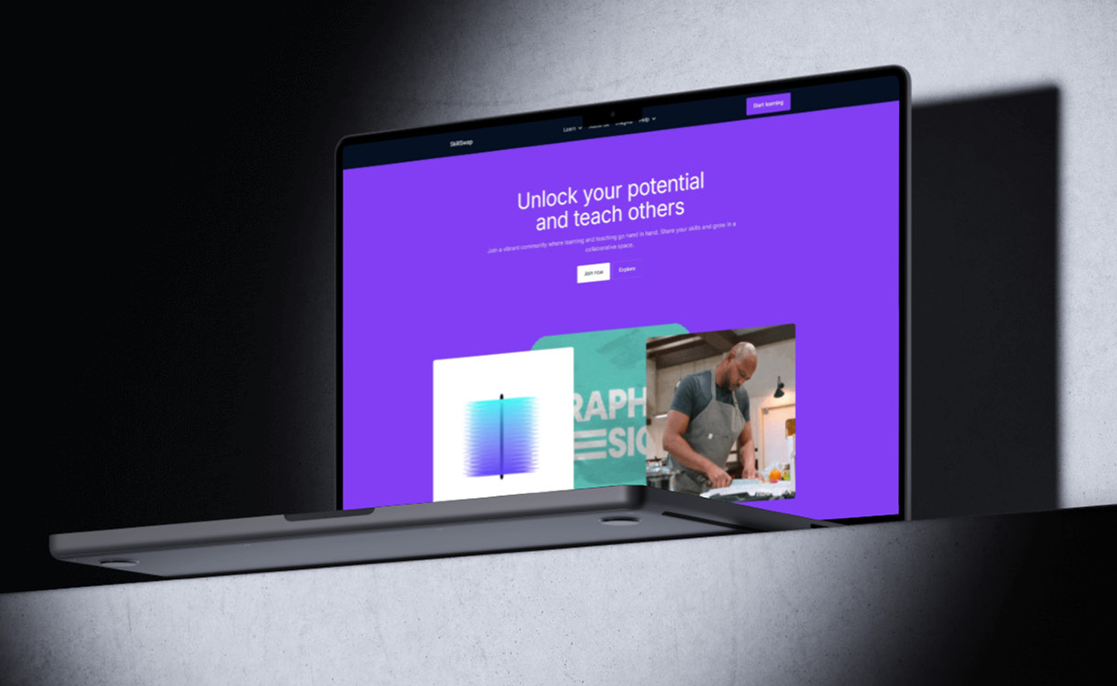
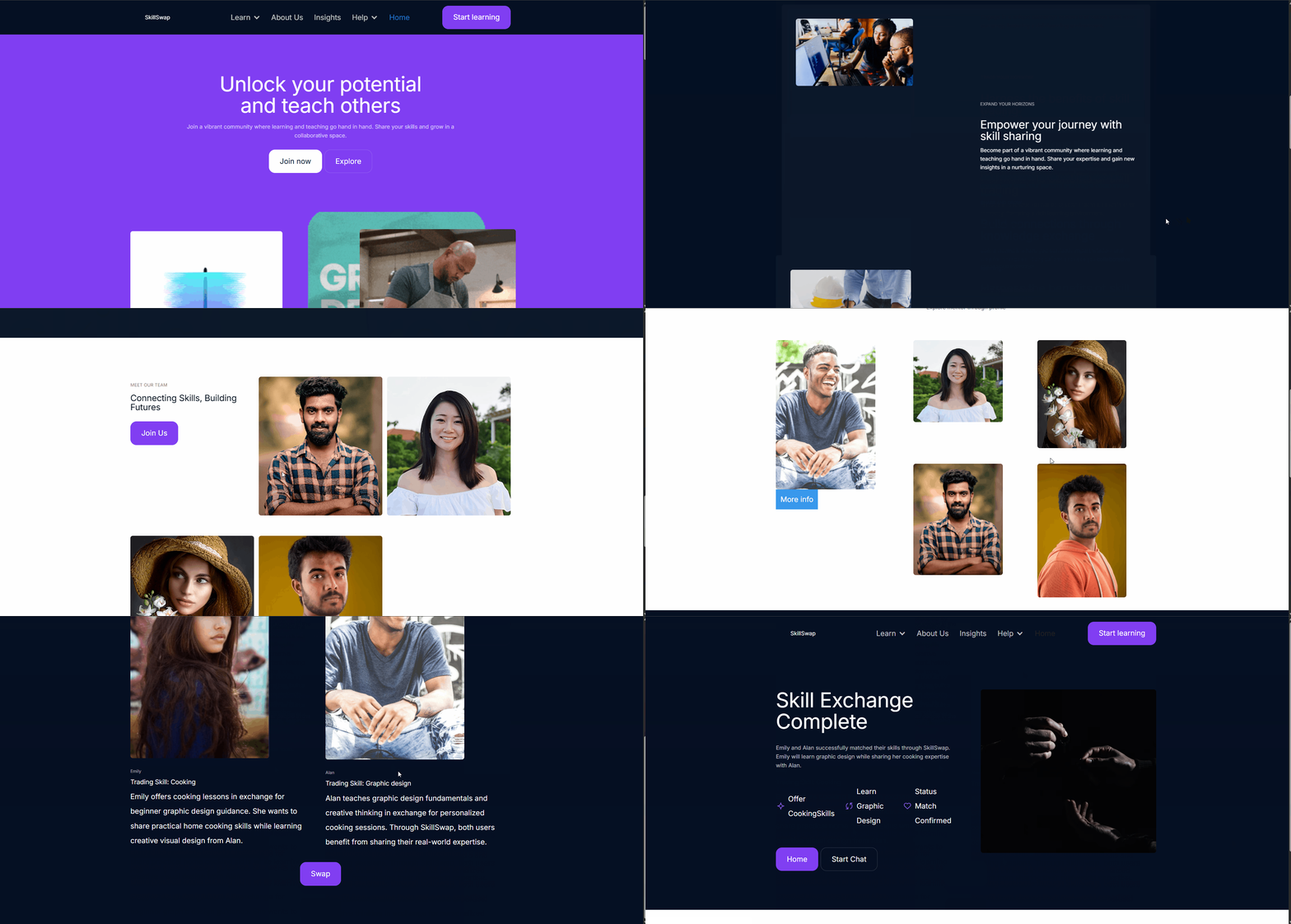
SkillSwap final screens

I solved the problem by designing a reciprocal skill exchange flow that lowers the barrier to teaching and builds trust between users. Through guided onboarding, balanced matching, and transparent profiles, SkillSwap encourages users to participate as both learners and contributors.

View Prototype Testing

What I learned

Through this project, I learned the importance of designing beyond individual efficiency and focusing on human connection. SkillSwap helped me think about how users can be both learners and contributors.

This case study also helped me understand how trust, comfort, and clear expectations are essential when designing a peer-to-peer learning experience.

What’s Next?

Next, I would expand the mentor onboarding process, improve post-session interactions, refine responsive design, and develop stronger trust-building features like ratings, reviews, and verification.

SkillSwap conclusion visual